

Business Wildfire Resiliency Plan (BWRP) User’s Guide
Welcome to the web-based version of the Business Wildfire Resiliency Plan (BWRP) User’s Guide.
This digital guide is a companion to the BWRP Template and contains detailed information and links to a selection of other publicly available reference materials to help you develop the content of your plan.
To make the planning process as straight-forward as possible, there are links in the Template that take you directly to the associated section of the User’s Guide on this website. Or if you prefer, you can also download and work with a hard copy of the User’s Guide.
A Pioneering Tool for Businesses
The BWRP Template and User’s Guide is one of the first known attempts to create a comprehensive wildfire planning tool specifically for businesses.
We Value Your Feedback
Please consider these to be living documents. As you use them, we would appreciate hearing from you about what works well and what could be improved (and how).
Have suggestions? Please send us a message via the ICLR Contact Page
1. Introduction
Extreme wildfires have become a substantial annual threat in Canada resulting in significant and widespread impacts, including on individual businesses and the overall economy. The Business Wildfire Resiliency Plan (BWRP) Template and User’s Guide were created to provide a tool for businesses to use to prepare for and mitigate the potential impacts from wildfires and wildfire smoke. Businesses located within or in the vicinity of forested and grassland areas – in what is known as the Wildland-Urban Interface (WUI) – are most susceptible to direct damage; however, as recent experience has shown smoke from wildfires can travel hundreds or thousands of kilometers and therefore can affect businesses anywhere in Canada.
-
Wildfires are a natural and ecologically essential component in many of Canada’s forest ecosystems, but various factors including the rapid expansion of urban development into wildlands has increased the risk from wildfire to human life, health, and property. There are numerous examples of this over the past decade including the following.
FORT MCMURRAY, AB 20161
- 80,000 people evacuated.
- 1,600 structures lost (including several business).
- Major disruption to local industries and businesses causing significant economic losses.
- $3.8 billion in insured losses (making it the most expensive natural disaster in Canadian history at that time).
LYTTON, BC 20212
- Entire town was evacuated.
- 520 structures, including all of the businesses, were burned.
- 2 deaths.
- Residents had to be relocated for years and rebuilding has been difficult and slow.
- Over $100 million (estimated) in insured losses.
TANTALLON, NS 20233
- 16,000 people evacuated: thousands more left without power.
- Over 200 properties, including 151 homes were damaged or destroyed.
- $165 million (estimated) in insured damage.
CANADA 20234
- 15 million ha burned (~6 times the 25-year average and double the previous record).
- 200 communities evacuated displacing more than 232,000 people.
- Over 1000 structures destroyed.
- $1.7 billion (estimated) insured losses.
- Millions of people across Canada and in the United States were exposed to hazardous air quality from wildfire smoke on numerous days.
JASPER, AB 20245
- 25,000 residents, workers, and visitors were evacuated.
- 358 structures (including several businesses) were destroyed (i.e., one-third of all structures in the community).
- $1.3 billion (estimated) in insured losses.
Canada 20255
- 8.8 million ha burned (second most on record).
- 85,000 people evacuated in all regions of the country; Over 630 structures lost; Two deaths.
- $370 million (estimated) insured losses in Manitoba, Saskatchewan, and Newfoundland and Labrador.
- Smoke from wildfires in the prairies travelled across Canada, into the mid-western and eastern United States, and across the Atlantic Ocean to central and southern Europe.
1 https://en.wikipedia.org/wiki/2016_Fort_McMurray_wildfire
2 https://firesmartbc.ca/learnings-from-the-lytton-fire-report/
3 https://www.halifax.ca/safety-security/fire-emergency/hrfe-post-incident-analysis-wildland-urban-interface-fire-may-2023
4 https://www.nature.com/articles/s41467-024-51154-7
5 https://en.wikipedia.org/wiki/2024_Jasper_wildfire & https://en.wikipedia.org/wiki/2025_Canadian_wildfiresWhy preparing for wildfire is important for your business
The worsening wildfire situation has been found to impact businesses like yours in several ways.6
- Disruptions to operations: Wildfires can lead to the closure or evacuation of businesses in affected regions, disrupting production, supply chains, and services.
- Damage to infrastructure and property: Businesses located in wildfire-prone areas may suffer from damage to their buildings, equipment, and other assets, leading to financial losses.
- Supply chain disruptions: Wildfires can disrupt transportation routes and logistics, affecting the movement of goods and materials, which can impact businesses reliant on a stable supply chain.
- Increased costs: Businesses may face increased costs due to damage, insurance premiums, and implementing measures to prevent future fire risks.
- Loss of revenue: During and after wildfires, reduced consumer activity and tourism can lead to a decline in sales and revenue for businesses in the affected regions.
- Insurance challenges: Businesses may encounter difficulties in obtaining or renewing insurance coverage in high-risk wildfire areas, leading to higher costs or potential limitations in coverage.
- Health and safety concerns: Wildfire smoke and air pollution can pose health risks to employees and customers, leading to potential productivity losses and increased medical expenses.
- Long-term economic impacts: include fluctuations in prices as the supply struggles to catch up with demand and rebuild stocks. Delays on projects due to limited raw materials availability, closures, job losses, and the loss of premises and equipment. Additionally, the capital that could have been earmarked for potential reinvestment now needs to be allocated to rebuild facilities.
6 Source: Western Financial Group
Commercial insurance and business continuity
In today’s high-risk world, it is crucial for commercial entities of all sizes and types to have proper insurance protection in place so they can financially weather almost any unplanned loss event they may experience, including the physical and financial impacts of wildfires. Appendix A provides a description of the common insurance coverages that are available to commercial entities in Canada as well as business continuity information. Significant differences can, however, exist between business entities and insurance providers, therefore it is always best to discuss coverage issues in detail with your licenced professional insurance provider (broker, agent or direct insurance provider) and to involve corporate risk managers and legal counsel where available.
-
To date, wildfire hazard assessment and risk mitigation guidance has largely been focused on residential homes, communities and large industry. As such, the purpose of the Business Wildfire Resiliency Plan Template and User’s Guide is to help small- and medium-sized businesses develop an appropriate and science-based approach to minimizing the risk from wildfire that is responsive to the needs of different types of businesses throughout Canada and tailored to their size, capacity, and the hazards they face.
The primary goals of the planning process are to:
- Increase the awareness and understanding of the risk from wildfire to a business.
- Develop achievable and accountable actions to mitigate the risk to business assets7 and operational continuity.
- Foster greater collaboration within the business community and with public sector organizations.
7 Canada Revenue Agency defines business assets as any form of property owned by the business including: money, land, buildings, investments, inventory, cars, trucks, boats, or other valuables that belong to a person or business.
-
The BWRP Template and this companion BWRP User’s Guide enable businesses to create a comprehensive fire resiliency plan in a collaborative, cost-effective, and time-efficient manner. They were developed to address seven Business Wildfire Resilience Disciplines which are adapted from the existing seven FireSmarttm disciplines8 (Table 1). Each of the Business Wildfire Resilience Disciplines represent a different aspect of wildfire prevention, planning, mitigation, preparedness, response, and recovery for businesses and when implemented together create a holistic approach for addressing the risk from wildfire to small– and medium-sized businesses. The Template is an easy-to-follow step-by-step framework and the User’s Guide provides explanatory information and other guidance to support businesses in plan development.9
Table 1. Cross referencing of the FireSmart Disciplines with the Business Wildfire Resilience Disciplines
FireSmart Discipline Business Wildfire Resilience Discipline Public Education Education (staff, contractors, clients and visitors) Legislation Policy Emergency Planning Emergency, Recovery, and Business Continuity Planning Development Hardening of Facilities & Other Assets Vegetation Management Vegetation & Other Combustibles Management Interagency Cooperation Local Partner & Agency Cooperation Cross Training Training and Coordination 8 https://firesmartcanada.ca/about-firesmart-2/the-seven-firesmart-disciplines/
9 Note: Given the wide variation in businesses across Canada it is not possible to provide detailed risk mitigation directions that are specific to your particular business; however, where available, links to other helpful resources have been indicated to allow you to tailor your actions to the characteristics of your business.
2. Business Wildfire Resiliency Plan: Template
The BWRP Template is a pre-formatted document designed to structure and simplify the business wildfire resiliency planning process. Addressing all of the applicable elements in the template will provide the most comprehensive plan; however, it is recognized that the needs and capabilities vary from business to business and therefore, it is ultimately the choice of those who own and operate the business to determine the breadth and level of detail in each section.
-
Type of business
Provide a brief description of what type of business you have and the products and/or services it provides.
Area of interest (geographic location)
To minimize the risk of loss from wildfire it is important to clearly specify the business’ area of interest (AOI). This includes where it is located and all the
areas in which it operates thereby serving as the geographic and/or operational scope of the BWRP. The AOI may be just one building, a unit in a building, and/or may include additional facilities, remote work sites, or any other areas where the business’ activities occur.Number of people
Indicate the number of staff in the business and estimate the number of people who may regularly be on business property.
-
For whom is the plan intended?
Indicate everyone that needs to be aware of this plan. This includes, but is not limited to: owners, staff, managers, board of directors, investors, contractors, customers, etc.
Who in the business will be responsible for the completion of the plan?
This could be the owner or a designated staff member. They may or may not do all of the work themselves but are responsible for ensuring the plan is completed.
Who will contribute to the development of the plan and how?
Identify those who will be contributing to the plan and in what ways. Engaging others, including certain specialists in your organization, can provide additional insight, capacity, and expertise to support the development of the plan thereby building internal capacity and assist in its implementation.
For some larger businesses, it may be necessary to involve various business units or sub-groups rather than “the whole business organization.” Think of these sub-groups in terms of (a) if and how they may be expected to participate in the plan development process and (b) how each group may benefit from engaging in the plan’s development.
If your business does not have all of the internal capacity, knowledge, and/or expertise required to complete this plan, you are still encouraged to review the Template and User’s Guide. This will help identify which components can be led internally, which require external support or expertise, and who will be able to assist you (e.g., staff from fire departments, local or provincial governments, professional consultants, etc.).
What is the target date for the completion of the plan?
Although your business may be busy with many other matters, it is helpful to establish target dates for completion of various sections and the plan as whole as well as annual reviews and updates so that you are ready in the event of a wildfire incident.
To whom and how are you going to communicate this plan?
Developing a plan is one challenge but effectively implementing it, particularly under stressful conditions, is another. Therefore, it is important that the plan is clearly communicated to and understood by all of those for whom it is intended. Beyond individuals directly involved with your business, you may want to share your plan with other businesses, government agencies, and community organizations in your area. There are a wide variety of communication techniques ranging from emails and staff meetings to presentations and video blogs. Take time to figure out what techniques would work best for your business.
-
Determining the wildfire hazard10 requires consideration be given to both the general area in which a business is situated and operates, as well as the site immediately adjacent to any business assets. Additionally, because wildfire smoke can travel hundreds or even thousands of kilometres it can also be a significant hazard.
10 Wildfire Hazard is a general term to describe the potential fire behaviour, without regard to the state of weather-influenced fuel moisture content, and/or resistance to fireguard construction for a given fuel type. Such an assessment is based on physical fuel characteristics (e.g. fuel arrangement, fuel load, condition of herbaceous vegetation, presence of ladder fuels). See Canadian Interagency Forest Fire Centre Glossary.
3.1 Surrounding area hazard
Research and recent case studies have shown that structures in the wildland-urban interface are most frequently ignited by burning embers that land directly on structures or among adjacent combustible material. Wildfires can propel embers a significant distance and in Canada have produced spot fire ignitions as far as 2 km ahead of the main fire. Embers are most commonly produced when wildfires are burning in coniferous forests such as pine, spruce, and fir, therefore if coniferous forests are within 2 km of your business assets they pose a general area hazard. Of course, the greater the number and continuity of coniferous trees and the closer they are to your business assets the higher the hazard.
Additionally, although less likely to produce embers that cause long-range spotting, other vegetation types such as grasslands and deciduous forests (i.e., trees with leaves) adjacent to your business property can also be a hazard in the spring and fall when the trees are leafless and the grass is mostly dead and dry.
If you require assistance with assessing the wildfire hazard in your surrounding area, this information may be available from your local government or local Indigenous community’s website or alternatively, wildfire hazard maps may be available from wildland fire management agencies in your region. If you cannot locate it, reach out to local organizations such as the fire department, municipal government organizations, or Indigenous community administration offices.
3.2 Structure Ignition Zone (SIZ) Hazard
In residential settings, FireSmart Canada has identified the Home Ignition Zone (Figure 1) as a critical area for evaluating hazard. This concept has been adapted here for use by businesses and is referred to as the Structure Ignition Zone (SIZ) (Figure 2). Just like the Home Ignition Zone, the SIZ can be divided into three priority or sub-zones: Immediate (structure and 0-1.5 m), Intermediate (1.5-10 m), and Extended (10-30 m). The SIZ is usually the private property owner’s responsibility; however, in developments with smaller lots, it may extend onto publicly-owned lands or adjacent private lands (e.g., neighbouring businesses or residences).
Within the SIZ it is also important to consider the hazard posed to other business assets (e.g., vehicles, equipment, inventory) and any critical infrastructure (Figure 3). Critical infrastructure is usually identified at the local level through an emergency management plan and includes items that are essential to the health, safety, security, or economic wellbeing of the community and the effective functioning of government (such as fire halls, emergency operations centers, radio repeaters, etc.). In the case of businesses, it would be any public or private infrastructure that is critical to business operations.
Structures constructed of combustible material (e.g., untreated wood shakes; wood or vinyl siding; single pane glass windows; and wooden stairs, decks, and fences attached to a structure) can be easily ignited by flames, radiant heat, or burning embers from a wildfire and therefore are a SIZ hazard.
Additionally, the presence of combustibles such as vegetation (e.g., dry grass, coniferous shrubs such as cedars and junipers) and human-made items (e.g., vehicles, pallets, cardboard, lumber, packing material, flammable explosive liquids and gases, dangerous goods, etc.) within 10 m around structures, other business assets, and critical infrastructure are also a SIZ hazard.
If you require assistance assessing the site hazard, contact your local fire department.
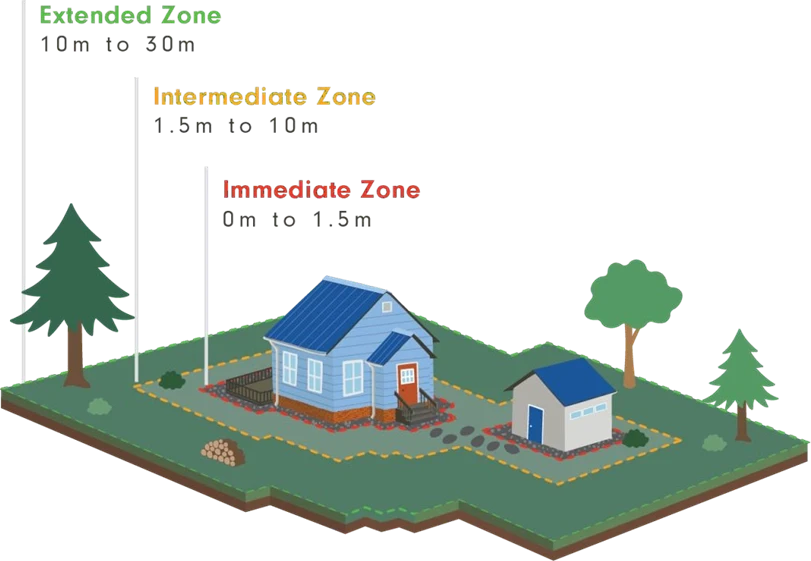
Figure 1. The FireSmart Home Ignition Zone (source: adapted from FireSmart Canada) 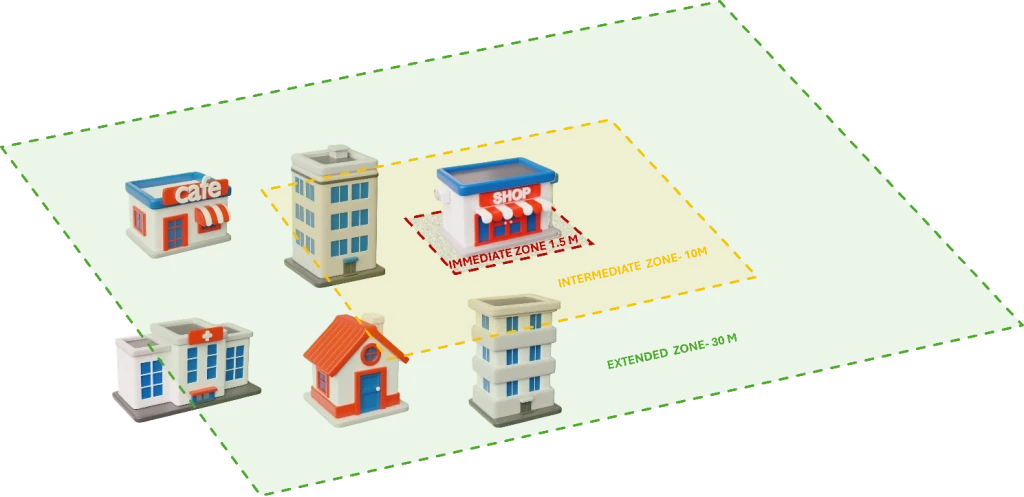
Figure 2. An example of the Structure Ignition Zone in relation to adjacent businesses and structures 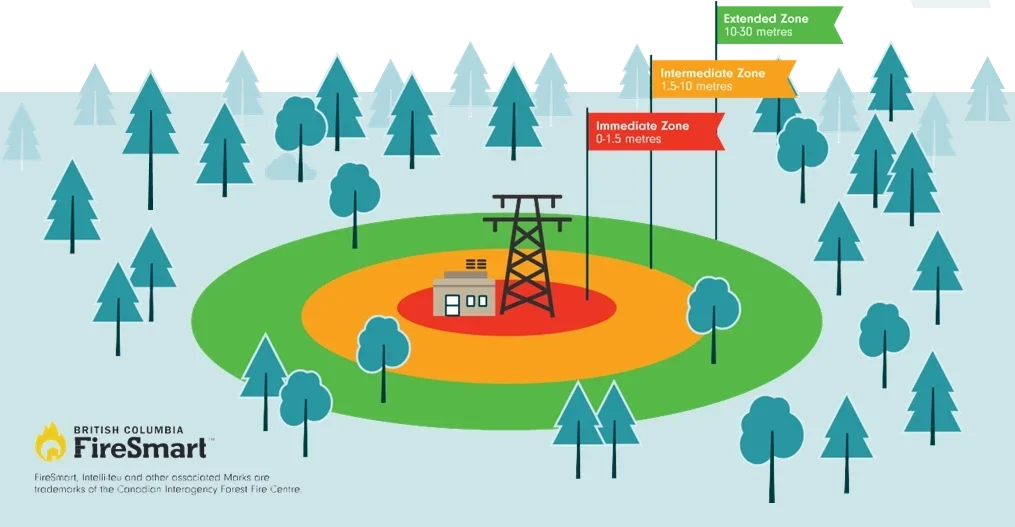
Figure 3. The FireSmart Critical Infrastructure Ignition Zone (source: FireSmart BC) Helpful Resources:
- Visit the FireSmart Canada website at firesmartcanada.ca for more information on how to manage your Structure Ignition Zone.
3.3 Smoke Hazard
Beyond the direct impacts of flames, heat, and burning embers smoke from wildfires can impact businesses across Canada. For example, the 2017 wildfires in British Columbia produced enough smoke for it to circulate the entire globe and extend back to British Columbia. In 2023 and 2025 smoke from wildfires in northern Canada created air quality issues on numerous days in large urban centres in central Canada – such as Ottawa, Montreal, and Toronto – as well as in major metropolitan areas in the United States.
Smoke from wildfires reduces air quality which, in turn, negatively affects the health of people (e.g., staff, clients, service providers), especially those with respiratory and other chronic illnesses.11 Additionally, your physical facilities and other business assets can also be significantly impacted and even permanently damaged. Therefore, at times it may be necessary to limit or shut down business operations during periods of severe wildfire smoke and reduced air quality.
The wildfire smoke hazard level in your area will depend on the frequency and intensity of exposure. Currently, there is no national smoke hazard standard in Canada and therefore it is at the discretion of the business owner to determine the degree to which wildfire smoke is an issue of concern.
The Air Quality Health Index12
The Air Quality Health Index or “AQHI” is a scale designed to help you understand what the air quality around you means to your health.
The AQHI is measured on a scale ranging from 1-10+ (Figure 4) and is reported on daily by Environment and Climate Change Canada. The AQHI index values are grouped into health risk categories as shown below. These categories help you to easily and quickly identify your level of risk.
1-3 Low health risk
4-6 Moderate health risk
7-10 High health risk
10+ Very high health Risk
It is a health protection tool that is designed to help you make decisions regarding when and how to protect your health and your staff ’s health by limiting short-term exposure to air pollution and adjusting your activity levels during increased levels of air pollution. This index pays particular attention to people who are sensitive to air pollution and provides them with advice on how to protect their health during air quality levels associated with low, moderate, high and very high health risks (Figure 5).
Note that the air quality in your specific community can be influenced by local topographic features and microclimates; therefore, always be sure to compare the modelled AQHI with your locally observed conditions and make adjustments as required.
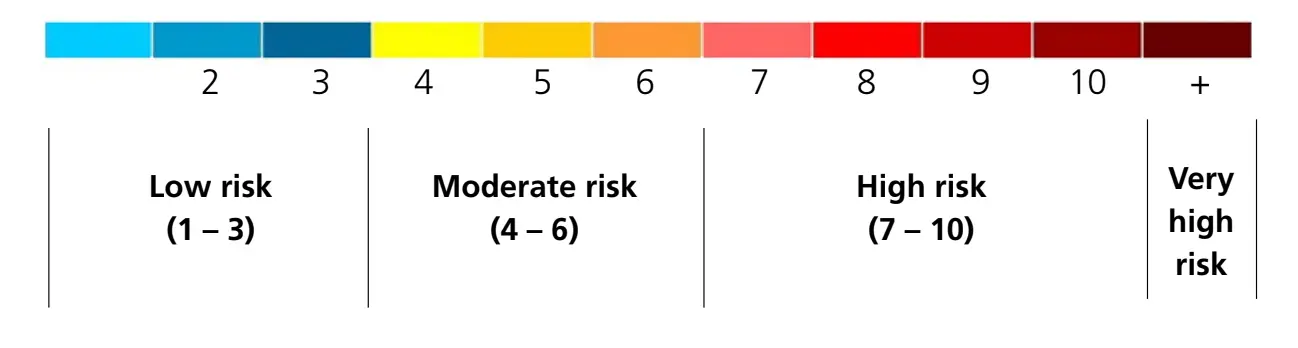
Figure 4. The Environment and Climate Change Canada Air Quality Health Index scale 12 https://www.canada.ca/en/environment-climate-change/services/air-quality-health-index.html
The AQHI communicates four primary things:
- It measures the air quality in relation to your health on a scale from 1 to 10. The higher the number, the greater the health risk associated with the air quality. When the amount of air pollution is very high, the number will be reported as 10+.
- A category that describes the level of health risk associated with the index reading (e.g. Low, Moderate, High, or Very High Health Risk).
- Health messages customized to each category for both the general population and the “at risk” population.
- Current hourly AQHI readings and maximum forecast values for today, tonight, tomorrow and the next day.
Air Quality Health Index messages
This table is a summary of air quality health messages by category
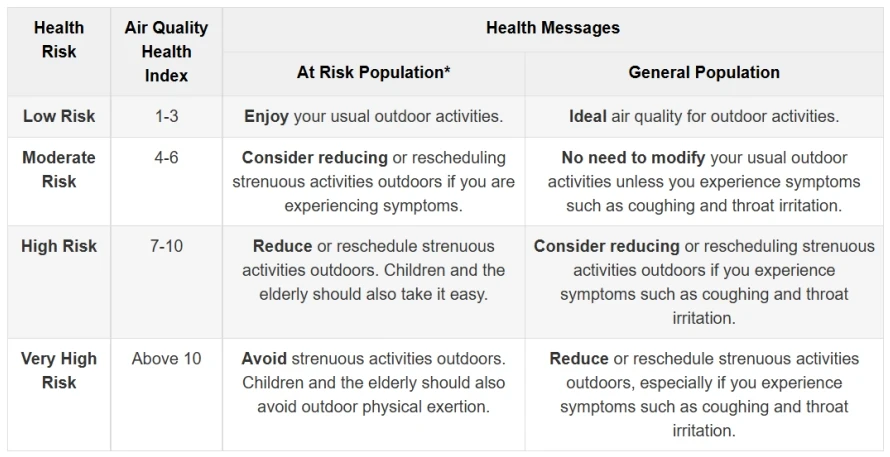
Figure 5. Air Quality Health Index messages (source: https://weather.gc.ca/airquality/healthmessage_e.html) *Unsure if you are at risk? Consult this health guide to help you determine if you are at risk from air pollution. People with heart or breathing problems are at greater risk. Follow your doctor’s usual advice about exercising and managing your condition.
Planning Ahead for Smoke Impacts
To help undertake proactive planning to minimize the impacts of wildfire smoke, Environment and Climate Change Canada has developed a map (Figure 6) showing the annual average number of Air Quality (AQ) Alert Days (usually issued when the AQHI is > 7) for each forecast region.13 This information can be used by business owners and managers to determine the expected number of days that their business and staff may be exposed to poor air quality over a given year. Although these maps include all factors that affect air quality, the vast majority of alert days tend to be related to wildfire smoke and therefore allows the business to plan for implementing overall air quality mitigation during AQ Alert Days.
13 It is possible to view the average annual Air Quality Alert Days mapping information (CLICK HERE TO DOWNLOAD) for your location using Google Earth (you will have to access Google Earth here for free if you do not already have it).
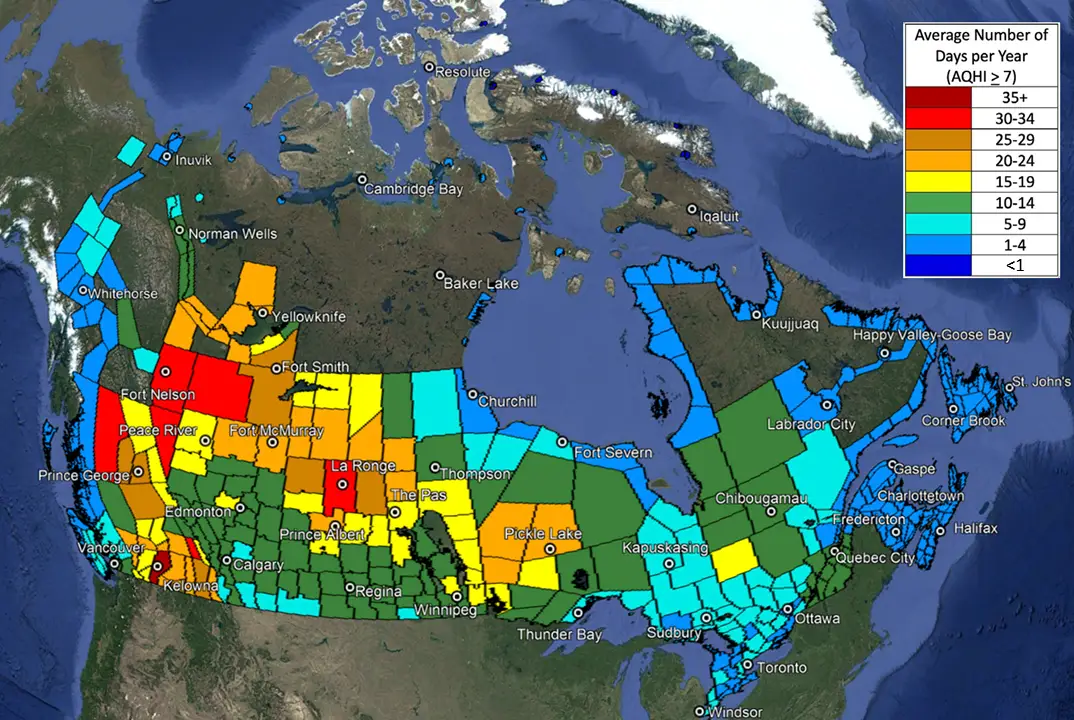
Figure 6. Average Annual Air Quality Alert Days based on Environment Canada and Climate Change data between April 2018 and September 2025 Helpful Resources:
For more information on how wildfire smoke can impact your staff see:
- https://www.canada.ca/en/health-canada/services/publications/healthy-living/wildfire-smoke-health.html
- https://www.canada.ca/en/public-health/services/publications/healthy-living/wildfires-canada-toolkit-public-health-authorities.html
- https://www.bccdc.ca/health-info/prevention-public-health/wildfire-smoke
-
Values at risk (VAR) are anything that is required to keep your business operating and could be negatively affected by fire and smoke. This includes (but is not limited to): human life (safety and health); property; hazardous materials and dangerous goods; critical infrastructure; supply chains; and any other special values.
4.1 Human Life (Safety and Health)
Given wildfires can move quickly and unpredictably it is very important that businesses make human safety and health their number one priority by identifying the type and number of staff, customers, contractors and others present at the business site or in the operating area. Additionally, it is vital to identify anyone who may be more susceptible to short- and long-term health effects from wildfire smoke such as
children, the elderly, or those with existing lung and heart conditions.4.2 Property
Anything owned, leased, or rented by your business that can be impacted by wildfire is a VAR. Understanding what assets (buildings, equipment, inventory, etc.) the business has, prioritizing them based on your business’ needs, and creating a comprehensive inventory of them is very important. It may also be necessary to identify any of your clients’ or customers’ assets that are on your property.
Creating a detailed inventory can be very time consuming, therefore an interim step is to simply take photos or videos of your assets and store them safely offsite.
4.3 Hazardous Materials and Dangerous Goods
If your business has any hazardous materials and/or dangerous goods that are used in your operations it is essential to identify them and where they are stored for the safety of employees as well as firefighters and other first responders.
Hazardous materials typically refer to substances that pose risks to health, the environment, or property, such as chemicals, flammable liquids, or toxic substances.
Dangerous goods (e.g., explosives, corrosives, and radioactive items) are classified based on their transportation risks.
Identifying both hazardous materials and dangerous goods and where they are located is clearly essential.
4.4 Critical Infrastructure
Privately or publicly owned critical infrastructure are assets that are essential to the health, safety, security, or economic sustainability of the business and community. They may be owned by the federal, provincial, territorial, or local governments; public institutions (such as health authorities or school districts); First Nations or Treaty First Nations; or private corporations.
This means another VAR is any type of critical infrastructure (e.g., electricity, communications, water supply, waste treatment, roads and bridges, etc.) upon which your business relies and would be negatively impacted if the services were disrupted for a short or long period of time.
For example, it is prudent to have up-to-date information regarding transmission and distribution lines and what they supply for your business; the location of transformers and towers; the types of poles (metal vs. wood); substation or generating station locations and their electricity loads. Most of this information should be available in a local government emergency management plan.
Additionally, any infrastructure that your business relies upon which if lost would be detrimental to the survival of the business or result in detrimental impacts to the community or region that the business serves should be considered critical infrastructure. Some examples include significant regional employer infrastructure (sawmills, mines), hospitals and healthcare facilities, primary grocery stores, building supplies stores, gas stations, etc. Collaboration and coordination with local governments can help determine what should be considered as
additional critical infrastructure.Also, anything that might affect safe egress during an evacuation and emergency response access (e.g., down powerlines or roadside trees, bridges, local communication equipment, etc.) must also be considered critical infrastructure.
4.5 Supply Chains
Although not a direct physical asset for a business, supply chain disruption (e.g., trucking, fuel, shipping access, supply shortages, wildfire impacts on suppliers’ facilities) due to a wildfire can render a business inoperable for significant periods of time. Identifying supply chain elements essential to your business will enable the development of contingency plans in the event of a wildfire.
4.6 Special Values
There may also be special values that are unique to the business and require special attention or handling in the event of a wildfire or evacuation. These may be items of historical significance (e.g., antiques, heirlooms), priceless art, animals, food, plants, cultural artifacts, ecologically sensitive areas, etc. It is important that these values are identified so that plans can be made for any unique care or management they may require in a wildfire incident.
-
The information collected in the previous sections identifies assets and aspects of your business that are critical to its operations. This section will aid in identifying options and actions to mitigate the risk from wildfire based on the seven business wildfire resilience disciplines specified in Table 1.
Each section below may include the following:
- A short description of what the discipline is intended to address.
- Challenges and opportunities to consider in the BWRP planning process.
- Potential actions to consider undertaking.
- Resources and additional reference material (where available) that may be helpful in developing the BWRP.
5.1 Education
While most education and outreach activities tend to be focused on internal staff, it is also important to consider other audiences that are related to your business such as: executive and board members, investors, contractors, clients, visitors, suppliers, other service providers, and adjacent local businesses. A wide variety of outreach tools and tactics can be used to distribute messages to target audiences. These may include:
- Informational materials including brochures, newsletters, videos, technical reports and research papers, posters, social media, and websites.
- Staff events such as tours, workshops, staff meetings, or a Wildfire Community Preparedness Day.
- Engaging with neighbours within the community through the FireSmart Canada Neighbourhood Recognition Program.
- One-on-one conversations.
- Internal business operations signage.
- Scheduled refresher training for staff in wildfire response and evacuation procedures.
- Updates and check-ins with staff on preparedness procedures and progress (especially as the fire danger increases).
- Staff announcements and communication releases (for larger businesses).
- Information hotlines and emergency alert systems.
- Feedback mechanisms, such as staff surveys.
Helpful Resources:
5.2 Policy
Policy and operational guidance can be a very effective tool for reducing the risk from wildfire to business assets and operations.
A first step is to review business policies, guidelines, and standard operating procedures to determine if and how they relate to wildfire risk mitigation activities and then address any identified gaps.
In addition, it is also important to review local government documents and bylaws and become aware of provincial and federal legislation, acts, and regulations that support wildfire risk mitigation activities, which, in turn, can support business wildfire resiliency either directly or indirectly.
Be sure to share this policy information with staff and others so everyone is aware of their roles and responsibilities in the event of a wildfire emergency.
5.3 Emergency, Recovery, and Business Continuity Planning
Business preparations for a wildfire emergency requires a multi-faceted approach to ensure individual staff members and business units are well prepared and able to respond effectively before, during, and after an incident. This includes both emergency planning as well as recovery and business continuity planning.
5.3.1 Emergency Planning
Wildfires that threaten human life (safety and health), structures, and critical infrastructure are extremely complex and dynamic incidents. These incidents can typically involve multiple concurrent emergency response activities, such as:
- Wildland fire suppression involving multiple resources.
- Structural fire response (for multiple structures).
- Public, vulnerable population, and animal evacuation.
- Search and rescue.
- Complex traffic circulation patterns and traffic control.
- Law enforcement.
- Medical emergencies.
- Utility emergencies.
- Hazardous materials and dangerous goods management.
- Emergency support services for staff.
- Structure and infrastructure damage assessments.
A comprehensive wildfire emergency plan addresses ways to protect human life (health and safety), safely manage hazardous materials and dangerous goods, and how to prepare and protect facilities and assets for an impending wildfire.
Before developing your own emergency plan, it could be helpful to review local government emergency plans and related documents and reach out to local government emergency staff to identify any information relevant to your business. For example, it is beneficial to understand the current firefighting resources and capabilities within your community (e.g., whether there is a full-time or paid-on-call department; number and type of apparatus, firefighters, firehalls; and whether there are any mutual aid agreements or fire protection service agreements in place).
Helpful Resources:
- Canadian Center for Occupational Health and Safety Emergency Planning
- Emergency Preparedness Guide for Small Businesses
- How to prepare an emergency plan for your small business
- Develop an emergency management plan
Human Life (Safety and Health)
Wildfire incidents can be chaotic, rushed, and stressful making it essential for businesses to proactively think about the actions needed to ensure people’s safety and health and document it in a wildfire emergency evacuation plan. Such a plan would include, for example, the following items.
- An accountability process to quickly determine the number and location of individuals (e.g., employees, contractors, and/or visitors) on the business premises and operating area.
- Emergency communications and notifications procedures for use during and after official work hours.
- Identification of evacuation routes for a range of emergency scenarios (e.g., wildfires coming from different directions).
- Designation of safe rendezvous/meeting points and post-evacuation check-in procedures for individuals (e.g., employees, contractors, and/or visitors) who are on the business premises and operating area.
Regarding smoke from wildfires, it is toxic and carries airborne particles that can be harmful if inhaled. If hazardous dust and soot find their way into HVAC systems they can circulate throughout the building. The smoke odor can also permeate fabrics like carpeting, drapes, furniture, etc. and be an issue for staff and a deterrent to clients and customers.
When a wildfire smoke event is forecast to impact the air quality in your area (see Government of Canada Local Air Quality Health Index), it may be necessary to take immediate action to minimize the impact of smoke on the health of those in facilities and other operating areas. Examples of this include:
- stopping outside and particularly strenuous work,
- closing all windows and doors,
- shutting down HVAC systems or adjusting them to recirculate air,
- using portable filtration devices, including some do-it-yourself devices, to help reduce indoor particulates, and
- providing staff with particulate respiratory protection (e.g., (N95 or P100 masks).
Helpful Resources:
Evacuations
- IBHS – Business wildfire evacuation steps
- Indigenous Services Canada – Wildfire evacuation information for Indigenous peoples
- FireSmart – Wildfire evacuation preparedness checklist (created for homes but also generally applicable to businesses)
Smoke
- Protecting building occupants from smoke during wildfire and prescribed burn events
- Protect yourself from wildfire smoke
- Six ways to protect employees from wildfire smoke
- Do-it-yourself air cleaner
- Smoke Forecast and Air Quality Model Forecast Maps
Hazardous Materials and Dangerous Goods
If a business has hazardous materials or dangerous goods within its facilities or on its property in order to avoid damage to buildings and harm to staff, the public, firefighters and other first responders, and the environment it is necessary they be clearly identified, appropriately stored, and procedures are put in place to protect them from exposure to flames, heat, burning embers, and possible fire suppression actions.
These procedures need to be made readily available (through a pre-fire plan) to staff and, if possible, responders in the event of a wildfire or an evacuation and during post wildfire recovery.
Helpful Resources:
- Safe storage of hazardous materials – Quick Facts
- A Guide to the Management of Hazardous Substances
- Safe transportation of dangerous goods
Facilities and Assets Preparation and Protection
Prior to evacuation and possible fire impingement, rapidly implementing a series of final facilities and asset preparation actions can help reduce the likelihood of damage from flames, heat, burning embers, and smoke generated by wildfires and other burning structures, and impacts from possible fire suppression actions (e.g., water application).
This involves taking action as quickly and safely as possible to seal up your facilities to prevent the entry of embers and smoke and remove combustibles (vegetation and human-made) from the area surrounding structures and assets as well as deploying sprinkler systems, if appropriate and possible .
Helpful Resources:
- Business wildfire evacuations
- Using Sprinklers to Protect Your Home, Cabin, or Camp
- Last minute steps to protect your home when wildfire approaches
(created for homes but also generally applicable to businesses)
5.3.2 Recovery and Business Continuity Planning
Recovery and business continuity planning are a critical part of emergency planning. Studies have shown that the sooner businesses can return to operating after an emergency or disaster the more likely they are to be viable in the long-term.
A business continuity plan is a document that outlines a set of actions and procedures to help a business reestablish operations after an unexpected disruption. It is extremely beneficial for every business, large or small, to engage in business continuity planning to maintain their fiscal viability and the wellbeing of their employees.
To begin, review any existing business recovery or continuity plans your business may already have to see if they include ways to begin operating as quickly as possible after impacts from wildfire or smoke. If your business does not have a business continuity plan it is critical to develop one before the next wildfire season.
In creating or modifying a wildfire business continuity plan it would be beneficial to indicate how you would deal with the following issues.
- An extended evacuation period (e.g., multiple days to several weeks) where staff and/or customers cannot physically access the business facilities or other assets critical to business operations.
- An extended interruption of power or other utilities.
- The loss of or damage to buildings, equipment, inventory, and other assets essential to the operation of the business.
- Smoke impacts that make it unsafe or unhealthy for staff to work in facilities or with equipment, inventory, or other assets.
- An extended interruption (days, weeks, or months) or the permanent loss of your current supply chains.
- The ability to continue with business administrative processes such as payroll, invoicing, payments, taxes, etc.
- Ensuring documents, photos, and other information essential to submitting an insurance claim (and having it processed quickly) are stored offsite, protected, and readily accessible.
Helpful Resources:
5.4 Hardening Facilities and Other Assets
Considering the number, type, location, and design of facilities and other business assets early in the planning and construction process, or during renovations and retrofitting, will make it easier to take mitigative actions that can significantly reduce ignition potential and increase fire suppression effectiveness.
This section recognizes the relationship between the natural and built environments and that both can be fuel for a fire. In this context, steps can be taken to minimize the ignition potential of any aspect of the built environment such as: structures, attachments to structures, critical infrastructure (roads, bridges), and any other human-made asset of a business that could be potential fuel to a fire. Additionally, such actions will reduce structure-to-structure fire spread, decreasing the susceptibility of the whole community to an urban conflagration and significant loss.
5.4.1 Reducing Ignition Potential
There are a number of steps that can be taken to proactively reduce the susceptibility of business facilities, critical infrastructure, and other assets to ignition via direct flame, radiant heat, and burning embers from a wildfire or other burning structures.
Examples include:
- Locating facilities and other assets away from high-hazard vegetation (e.g., coniferous forests, dry grasslands) and steep slopes (because wildfires generally spread faster uphill than on level ground).
- Using FireSmart structure design and architectural standards.
- Reducing structure density on the property (where possible) and eliminating or breaking the connectivity of combustible material between facilities and assets.
- Hardening structures by using non-combustible construction materials on structures and attachments (as per the examples below, based on the National Research Council’s National Guide for Wildland-Urban Interface Fires
- Roofs (Asphalt fibreglass composition shingles and concrete or clay tiles (all referred to as Class A shingles) are the most fire-resistant. (see https://firesmartcanada.ca/wp-content/uploads/2022/01/FSA_FireSmart-Fact-Sheet_Roof.pdf)
- Metal gutters (that are easy to keep clean from accumulating needles and leaves).
- Eaves (enclosed with soffits made from fire-resistant material), vents, and other openings (e.g., dog doors, cellar doors, crawl spaces) screened with 1⁄8 inch (3 mm) or finer metal mesh. (see https://firesmartcanada.ca/wp-content/uploads/2022/01/FSA_FireSmart-Fact-Sheet_Gutters.pdf)
- Exterior walls composed of products such as stone, brick, stucco, cement fibreboard and having no holes or gaps in the cladding, as well as a 15 cm (6 inch) vertical non-combustible wall (e.g., concrete) from grade.
(see https://firesmartcanada.ca/wp-content/uploads/2022/01/FSA_FireSmart-Fact-Sheet_Siding.pdf) - Windows (preferably metal-clad wood) with double pane and/or tempered glass. (see https://firesmartcanada.ca/wp-content/uploads/2022/01/FSA_FireSmart-Fact-Sheet_Windows-1.pdf)
- Decks are replaced with ground level patios (e.g., concrete, flagstone, etc.) or are made as fire resistant as possible (including dealing with the grade under the deck).
(see https://firesmartcanada.ca/wp-content/uploads/2022/01/FSA_FireSmart-Fact-Sheet_Decks.pdf)
Notes:
- It may not be possible for businesses that do not own their buildings to independently undertake all of these actions and therefore may require collaboration with and/or consent from building owners.
- Many of these factors may be regulated through community land use planning and development processes and local government bylaws.
Helpful Resources:
- ICLR – Make your business wildfire ready
- FireSmart Fact Sheets
- Intact Centre on Climate Adaptation – Three features of a wildfire-ready community
5.4.2 Facilitating Effective Suppression
There are proactive measures that can be taken to increase the effectiveness of fire suppression resources, such as ensuring:
- visible and non-combustible addressing and signage,
- ample access and egress on the business property,
- where possible, there is a barrier/object free defensible space around structures, and
- an available and adequate water supply.
5.4.3 Mitigating Smoke Damage
Businesses can proactively reduce the risk of wildfire smoke damage to their facilities by taking measures associated with building resilience and air management. Here are a few examples:
- Install indoor air quality sensors (PM2.5) and subscribe to local AQHI alerts.
- Seal the building envelope by inspecting and upgrading weather stripping, door sweeps, and caulking around windows, doors, vents, and utility openings to minimize smoke intrusion.
- Upgrade filtration by installing MERV 13 (or higher) filters in HVAC systems, or HEPA filters in portable air cleaners.
- Ensure HVAC systems can be switched to recirculation mode during smoke events to limit outdoor air intake.
- Where feasible, configure the HVAC system to maintain slight positive pressure indoors to keep smoke from infiltrating.
- Ensure HEPA-equipped portable air purifiers can be deployed in critical spaces like offices, customer areas, and IT/server rooms.
- Designate specific clean-air rooms and equip them with enhanced filtration if sheltering in place is required.
Note: Some businesses (especially in manufacturing, healthcare, and food service) may wish to go further with industrial-scale air scrubbers or specialized HVAC retrofits if they are in high-smoke zones.
Helpful Resources:
5.5 Vegetation and Other Combustibles Management
Managing the vegetation and other combustible (human-made) material surrounding your business assets will reduce their potential for ignition via flames, radiant heat, and burning embers; break the pathway of fuel; and subsequently help prevent your values at risk from burning.
Vegetation management is the removal, reduction, or conversion of flammable plants and other live and dead organic material (e.g., peat moss, mulch, grass, needles and leaves, branches, logs) where fires can ignite and spread. It includes management of wildland vegetation (forests and grasslands) in the general area and undertaking FireSmart landscaping on your property in the Structure Ignition Zone.
Other combustibles management involves the appropriate storage or management of all human-made combustible materials (e.g., gasoline, oil, and other fuels; vehicles; lumber; packing material; etc.).
The ability to plan and implement effective management of vegetation and other combustibles can be influenced by:
- Land ownership and jurisdiction.
- Vegetation type.
- Access.
- Biomass disposal options and forest product market.
- Species at risk.
- Hazardous materials and dangerous goods regulations.
- Skilled worker/expertise availability.
- Specialized equipment availability.
- Legislation, cultural values, archeology resources.
- Organizational capacity.
- Property size as well as the location and number of structures.
- Location of critical infrastructure.
5.5.1 Structure Ignition Zone (SIZ)
As indicated earlier, the SIZ includes the area immediately adjacent to a structure extending out to 30 metres (see Figure 2). Adapting concepts from the FireSmart Home Ignition Zone, the SIZ can be divided into three priority or sub-zones: Immediate (structure and 0-1.5 m), Intermediate (1.5-10 m), and Extended (10-30 m). The SIZ is usually the private property owner’s responsibility; however, in developments with smaller lots, it may extend onto publicly-owned lands or adjacent private lands (e.g., neighbouring businesses or residences).
Within the SIZ it is also important to consider the hazard posed to other business assets (e.g., vehicles, equipment, inventory) and any critical infrastructure
Legal property boundaries may limit the extent that businesses can undertake vegetation management and may require coordination with local governments, Indigenous communities, or adjacent private lands to achieve the required distances. Businesses may also have to engage with a variety of other organizations to appropriately manage vegetation surrounding the critical infrastructure that is important to business protection and continuity.
There exists excellent information on the specific steps associated with vegetation and other combustibles management for residential structures that, where possible, can serve as a guide for businesses (see the Helpful Resources listed below).
Some examples include the following.
- In the Immediate Zone, establish a combustible-free zone within 1.5 m of structures, attachments, and other essential assets to minimize ignition from embers.
- In the Intermediate Zone, minimize sites where ignition from flames, radiant heat, and burning embers is possible and eliminate pathways via which fire can spread on your property. This can include removing coniferous trees and shrubs and replacing them with fire-resistant plants, as well as moving other combustibles such as wood piles, packing and construction materials, fuel, propane tanks, etc. beyond 10 m of business assets, if possible; and
- In the Extended Zone (if it exists for your business), manage vegetation via thinning and pruning of trees according to FireSmart guidelines and regularly clean up accumulations of fallen branches, dry grass, and needles on the ground to manage convective heat and ember impacts.
The FireSmart Guide to Landscaping provides vegetation management guidance however, obtaining information and advice from horticulture specialists and forestry professionals with wildfire mitigation expertise will also greatly assist in planning and implementation. The expertise of a certified professional forester is highly recommended in cases where the Intermediate and Extended Zones involve “typical” forest stands or where there may be potential conflicts with other natural resource values.
Helpful Resources:
- FireSmart Begins at Home Guide – this is intended for residences but much of the information may also be applicable to businesses.
- FireSmart Guide to Landscaping
- FireSmart BC Landscaping Hub
5.5.2 General Area
If your business property extends beyond the SIZ (i.e., more than 30 m), you may want to consider additional fuel management activities.
Fuels management is the manipulation (i.e., removal, reduction, or conversion) of living or dead forest and grassland fuels aimed at reducing the rate of spread and intensity of a wildfire and increasing fire suppression effectiveness.
Early engagement with local government, First Nation, or provincial wildfire staff will identify where, how, and when to collaborate on projects in the general area. When a BWRP is being developed it is highly beneficial to determine if a vegetation management plan has been or is going to be developed for the public or private land adjacent to yours.
Vegetation management may also be governed and guided by several pieces of federal, provincial and local legislation, standards, and bylaws (depending on jurisdiction and land ownership).
Obtaining the expertise of a certified forestry professional, who has wildland vegetation management within their scope of practice, for guidance in managing forest and grassland vegetation areas in the WUI is highly recommended (and may be required by law for public lands depending on the jurisdiction and type of activities to be conducted).
Helpful Resources:
5.6 Local Partner and Agency Cooperation
To maximize the wildfire resiliency of a business, it takes the cooperative efforts of multiple partners including: neighbouring property owners, local fire departments, municipal and provincial government staff, business associations, elected officials, Indigenous community representatives, industry representatives, suppliers, and other businesses in your area.
To foster effective cooperation, begin by identifying and understanding what plans have been developed and what actions are being taken by other businesses, organizations, and agencies in your local area to improve wildfire resiliency. Based on this ensure business owners and/or managers have discussed and are cooperating with other partners (e.g., other businesses, local government officials, Indigenous community leaders, local fire department staff, provincial wildland fire management representatives) in working towards effective wildfire resiliency for the business, neighbouring businesses, and the community as a whole. To begin building these relationships, reach out to your:
- Local government office.
- Local fire department.
- Chamber of Commerce.
Helpful Resources:
5.7 Training and Coordination
Training and coordination, internally within the business and externally with others, is critical to knowing how to react and respond in a calm, safe, and orderly manner during wildland-urban interface fire.
Your education efforts (in Section 5.1) will create awareness and understanding of wildfire as a hazard to your business. Training builds on this by giving staff members in your organization the skills and abilities needed to respond effectively and efficiently in the event of a WUI emergency.
At a minimum, it is highly recommended that the easily accessible FireSmart 101 course be mandatory for all staff. Other optional training opportunities for staff with specific responsibilities include:
- Wildfire Risk Reduction Basics course
- Fire Life and Safety Training
- Basic Wildland Firefighter training
- ICS-100 (introduction to effective systems for command, control, and coordination of response at an emergency site)
Another important part of emergency response training is to proactively become aware of and understand the roles and responsibilities of different people, positions, organizations, and agencies that may not typically work together. Once this has occurred, it would be beneficial to jointly conduct an emergency simulation exercise appropriate to the size and complexity of the business (such as table top exercises, drills, function exercises, field exercises, or even simple walk-throughs of a range of possible scenarios) to help enable a clear and coordinated response in a wildfire-related emergency.
Helpful Resources:
Appendix A – Business Continuity and Insurance
There is extensive international research which indicates that commercial entities with proper insurance protection in place at the time of loss recover much quicker than do entities with inadequate or no coverage.
The following explains at a very high level some of the more common commercial insurance coverages that are available to Canadian commercial entities, and why they should purchase them.
-
Commercial property insurance is a type of coverage that protects commercial entities from financial loss due to damage or destruction of their physical assets, including buildings, equipment, inventory, and other property. This insurance typically covers risks such as fire (including wildfire), theft, vandalism, natural hazards, and other unforeseen events that could impact the operation of a business.
Having commercial property insurance is crucial because it helps mitigate the financial impacts of property damage, allowing businesses to recover faster and continue operations with as few disruptions as possible. Without this coverage, a business could face crippling costs to repair or replace damaged property, potentially leading to business closure or severe financial strain. Ultimately, commercial property insurance provides peace of mind, ensuring that a company can protect its physical assets and remain resilient in the face of unexpected challenges, like a wildland fire.
-
Business interruption insurance is a type of coverage that helps protect businesses from financial losses due to unexpected events that disrupt normal operations, such as natural hazards, fires (including wildfires), or other covered incidents. It typically covers lost income, fixed operating expenses (like rent and utilities), and additional costs required to keep the business running while it is temporarily closed or damaged.
This insurance is crucial because even if the physical property is covered by commercial property insurance, the business may still lose revenue while it recovers. Without business interruption insurance, a company could face significant financial strain during periods of downtime, potentially leading to layoffs, inability to pay bills, or even bankruptcy. By providing financial support during these difficult times, business interruption insurance ensures that businesses can survive temporary setbacks and still continue to operate.
-
Contingent business interruption insurance is a specialized type of coverage that protects businesses from financial loss when a key supplier, customer, or partner is affected by a covered event, causing a disruption in the supply chain or business operations. For example, if a supplier’s factory is damaged by a fire, and this prevents the business from obtaining necessary materials, contingent business interruption insurance can help cover the lost income and additional expenses incurred during the disruption.
This type of insurance is important because it extends the protection of business interruption insurance to situations where the business itself isn’t directly impacted, but the event still has a significant ripple effect on its ability to operate. Without this coverage, businesses might suffer severe financial losses even when their own property remains unharmed, making it a vital safeguard in today’s interconnected supply chain environment.
-
Off-premises utility disruption insurance is a type of coverage that protects businesses against financial losses resulting from the disruption of power supply to their premises. This insurance is particularly important for businesses that rely heavily on electricity to operate, such as manufacturers, data centers, or retail stores with refrigeration needs. If an off-premise event, such as a power grid failure, downed utility lines, or a natural hazard, causes a loss of power to the business, this coverage can help mitigate the financial impact. It typically covers lost income, additional expenses incurred to keep operations running (like renting backup generators), and the cost of spoiled goods or damaged equipment.
Having off-premise utility disruption insurance is crucial because even though the business’s property may not be directly affected, the loss of power can lead to significant operational disruptions, inventory loss, and revenue decline. This insurance helps businesses manage risks associated with power outages that are beyond their control, ensuring they can recover more quickly and minimize downtime.
-
Commercial liability insurance is a type of coverage that protects businesses from financial losses resulting from claims of injury or damage caused by the business’s operations, products, or employees. It typically includes general liability insurance, which covers bodily injury, property damage, and advertising injury; and may also extend to more specific types, such as product liability or professional liability insurance.
This insurance is crucial because it helps shield businesses from the high costs of legal fees, settlements, or judgments if they are found liable for accidents or harm to others, such as if the business is responsible for starting a wildland fire.
A business could be held liable for starting a wildfire if its actions or negligence directly contributed to the ignition or spread of a fire. For example, a manufacturing facility that improperly disposes of flammable waste materials, or a construction company that fails to follow fire safety protocols while operating heavy machinery in dry, high-risk areas, could inadvertently start a wildfire. Similarly, a business that engages in land clearing or vegetation management without taking proper precautions, such as ensuring equipment is well-maintained or using fire-resistant methods, might be responsible for causing a fire that spreads uncontrollably. If the wildfire results in property damage, personal injury, or environmental harm, the business could be held liable for the costs of containment, restoration, and compensation for affected parties. Additionally, businesses in industries like oil and gas, logging, electrical utilities, or agriculture, which operate in fire-prone areas, are expected to take extra care to prevent wildfires, and failing to do so could lead to legal and financial repercussions. In such cases, commercial liability insurance may help cover the business’s defense costs, settlements, or damages awarded to victims of the fire.
Without commercial liability insurance, a business could be forced to pay out-of-pocket for lawsuits, which can lead to severe financial strain, reputational damage, or even bankruptcy. By having commercial liability insurance, businesses can mitigate the risk of costly legal battles, protect their assets, and continue operating with greater peace of mind knowing they are covered in case of unforeseen incidents.
-
Specialty commercial insurance coverages are tailored policies designed to address unique risks faced by specific industries or business operations that aren’t typically covered under standard commercial insurance plans. Some common examples include professional liability insurance (also known as errors and omissions), which protects businesses from claims of negligence or mistakes in services provided; cyber liability insurance, which covers data breaches, hacking, and other cyber-related threats; and product liability insurance, which safeguards manufacturers or retailers against claims of injury or damage caused by their products.
Additionally, there are coverages like environmental liability insurance for businesses dealing with hazardous materials, and directors and officers (D&O) insurance, which protects corporate leaders from claims related to management decisions. These specialty coverages are important because they fill in the gaps that standard policies might leave, offering businesses the protection they need against industry-specific risks. Without these customized policies, companies could face significant financial exposure, legal costs, or reputational damage that could threaten their survival. By having the right specialty insurance, businesses can reduce these risks and operate with greater confidence.
Acknowledgements
The development of the Business Wildfire Resiliency Plan Template and User’s Guide was funded by FireSmart™ Canada and guided through input from an Institute for Catastrophic Loss Reduction (ICLR) Advisory Group. The documents are based on an existing framework and concepts from the British Columbia FireSmart Community Wildfire Resiliency Template and Instruction Guide. The efforts of staff at Environment and Climate Change Canada in compiling and providing historical air quality data is greatly appreciated along with the creative work by Hans Pellikaan (designer) and the website team.
TM Firesmart, Intelli-feu and other associated Marks are trademarks of the Canadian Interagency Forest Fire Centre (CIFFC).